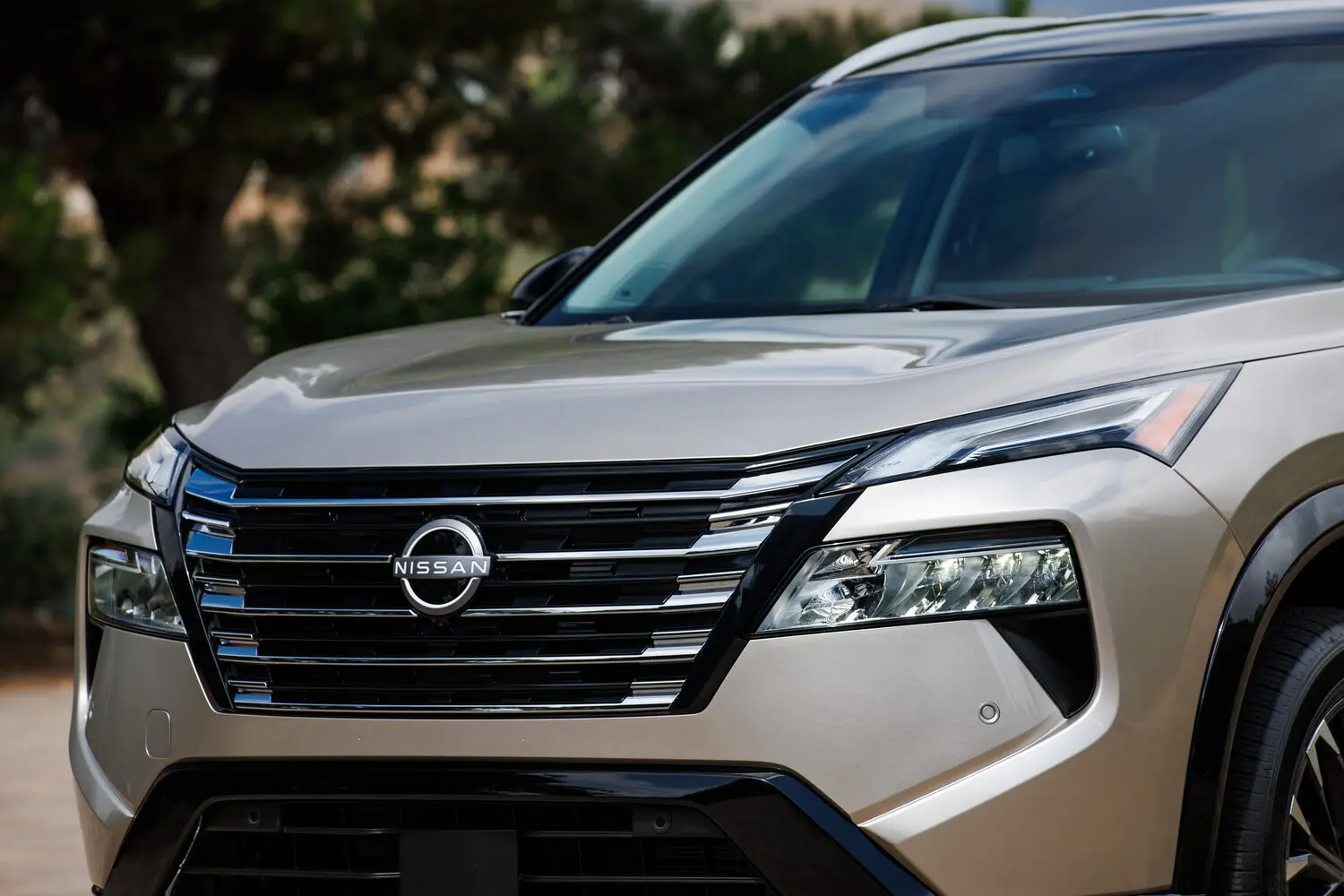
Blog Cover Image

All posts

How To Recognize A Nissan Gear Box Problem

Published on Oct 22, 2025 by Ryan Dunn

How To Recognize A Nissan Gear Box Problem

A smooth ride is something every Nissan driver expects. But when your gear shifts start to feel jerky or your transmission seems to hesitate, it might be your gearbox calling out for attention. The gearbox—commonly referred to as the transmission—is one of the most critical components of your vehicle. It regulates the power flow from the engine to the wheels, helping you smoothly transition between gears. So, when something feels “off,” it’s best not to ignore it. If you’ve ever found yourself wondering whether that strange noise or delayed gear change means something serious, you’re not alone. In fact, early detection is key to preventing costly repairs. If you need a professional diagnosis or gearbox service, the team at Mentor Nissan can help you get back on the road with confidence. They offer trusted Nissan service with genuine parts and expertise. Let’s walk through the signs that point to a potential gearbox issue in your Nissan.
  1. Delayed or Rough Gear Shifts

One of the most common and obvious symptoms of a gearbox issue is a delay in shifting—especially if you're driving an automatic Nissan model. You may notice that the RPM increases without a corresponding increase in speed, or you might feel a hard “clunk” when the car finally changes gears. In manual transmission vehicles, the issue might be harder to spot, but if you feel like you’re forcing the gear lever or it won’t engage easily, that’s your cue to investigate further. These symptoms could be the result of worn clutch plates, low transmission fluid, or internal gearbox wear.
  1. Strange Noises While Driving

Your Nissan shouldn't growl, grind, or whine while driving—at least not from the gearbox. Transmission problems often make themselves known through sound. A high-pitched whine, humming, or a grinding noise when shifting gears could indicate anything from worn bearings to a failing torque converter. If your Nissan has a continuously variable transmission (CVT), as many newer models do, a persistent whirring noise is something to be cautious of. CVTs are designed for smooth, almost silent operation. Any noise could signal a belt or pulley issue inside the gearbox.
  1. Transmission Fluid Leaks

Gearboxes rely heavily on transmission fluid to keep internal parts lubricated and cooled. If you notice red or brown fluid pooling under your car, that’s a strong indicator of a transmission leak. This is one of the most serious warnings because running low on transmission fluid can lead to overheating and irreversible damage inside the gearbox. Transmission fluid leaks can be caused by a cracked pan, a worn seal, or even a loose drain plug. Regardless, this is not something to overlook. An immediate inspection is needed—and the pros at Mentor Nissan are experienced in pinpointing and sealing transmission leaks quickly and properly.
  1. Slipping Gears

If your Nissan suddenly slips out of gear while driving, or revs higher than it should without accelerating, it’s a clear sign that your gearbox may be failing. Gear slipping not only affects your driving experience but can also become a safety issue. Transmission slipping could stem from worn bands (in automatic transmissions), low or degraded fluid, or problems with the transmission control module. These issues tend to get worse over time, and they rarely fix themselves. Getting ahead of it is crucial.
  1. Dashboard Warning Lights

Modern Nissans are smart—they often warn you before you feel something's wrong. If you see the “Check Engine” or transmission warning light, don’t ignore it, even if the car seems to be running fine. These lights are triggered by sensors that monitor your gearbox’s behavior. A diagnostic scan tool can reveal the exact trouble code. Common transmission codes might point to sensor failure, solenoid problems, or internal slippage—all of which require specialized knowledge to repair properly.
  1. Burning Smell

A burning odor coming from your Nissan could be overheated transmission fluid. Transmission fluid degrades over time and, if not changed as recommended, can lose its ability to cool and protect the gearbox. This may lead to friction, heat buildup, and eventual breakdown of transmission components. If you ever catch a whiff of something acrid, pull over safely and check for signs of overheating. Ignoring this can turn a small maintenance job into a full gearbox replacement.
  1. Poor Fuel Economy

This one’s a little less obvious. A faulty gearbox often causes the engine to work harder than it should, leading to decreased fuel efficiency. If you notice that your Nissan is guzzling more gas than usual and no other factors have changed (like driving habits or tire pressure), the transmission might be stuck in a lower gear or failing to lock up properly. CVTs especially should maintain optimal fuel efficiency. Any deviation is worth checking. If you’re experiencing any of the above symptoms—or just want peace of mind—a quick visit to Mentor Nissan could save you a lot of hassle down the road.

Like this feature? See all vehicles with

Like this feature? See all vehicles with

Like this feature? See all vehicles with